
ENDODONTIC AND ROOT CANAL TREATMENTS
Endodontics at Our Practice: Ensuring Your Dental Health
Welcome to our dedicated space for endodontic treatment, commonly referred to as root canal therapy. At our practice, we prioritize your oral health and comfort, providing comprehensive care tailored to your needs. Endodontic treatment is a vital aspect of dental health, focusing on the tooth’s inner complexities to treat infection and preserve your natural tooth. Below, we outline the essential principles behind root canal therapy, what it involves, and the restorative steps following treatment.
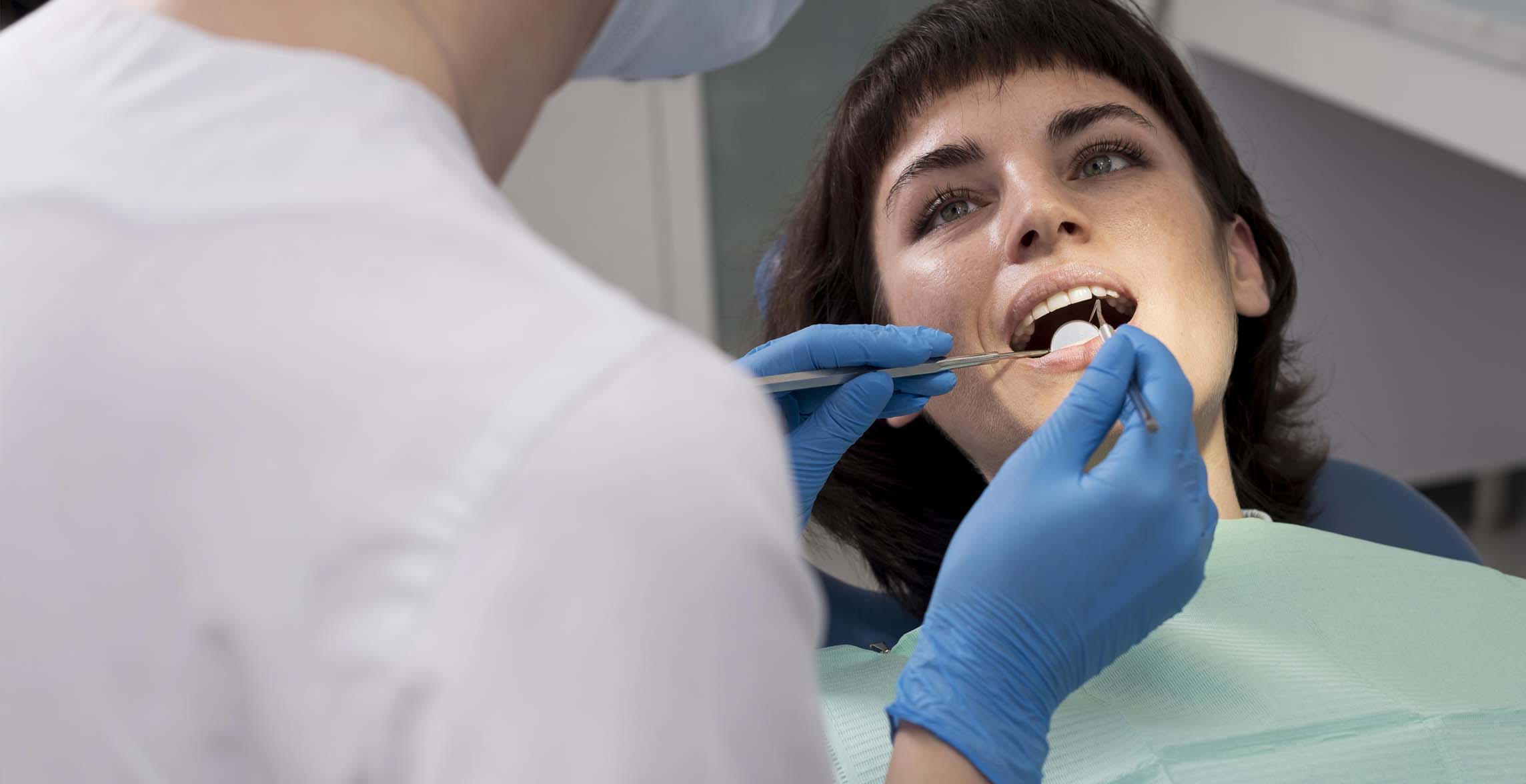
Why Root Canals Are Necessary
Root canal treatment is required when the pulp, the soft tissue within the tooth containing blood vessels and nerves, becomes infected or inflamed. This can result from deep decay, repeated dental procedures on the tooth, faulty crowns, severe impact, or a crack or chip in the tooth. In some cases, trauma to a tooth may cause pulp damage even if there are no visible cracks or chips. If pulp inflammation or infection is left untreated, it can cause pain or lead to an abscess.
What Root Canal Treatment Involves
Root canal therapy is a multi-step process designed to remove the infected or inflamed pulp, clean and disinfect the inside of the tooth, and then fill and seal it to prevent re-infection. Here’s a simplified overview of the steps:
Diagnosis and X-ray
We start with a thorough examination, which may include X-rays to determine the extent of damage and plan the treatment.
Anesthesia
To ensure comfort, the affected area will be numbed with a local anesthetic.
Pulpectomy
An opening is made in the crown of the tooth to access the pulp chamber. The infected or inflamed pulp is carefully removed.
Cleaning and Shaping
The root canal space is meticulously cleaned and shaped to prepare for filling.
Filling the Canal
The cleaned canal space is filled with a biocompatible material, usually a natural rubber-based gutta-percha, to seal it off.
Restoration
After the root canal is completed, the tooth will need to be restored with a crown or a more permanent filling to protect it and restore its function.
Restorative Needs Post-Treatment
Following a root canal procedure, restorative measures are crucial for the tooth’s longevity and functionality. Typically, the tooth will require a crown to protect and reinforce it, as teeth treated with root canal therapy can become brittle. The crown also provides a seal against infection. Our goal is to ensure the treated tooth remains healthy and functional for as long as possible.
Referral to a Specialist
While our practice is equipped to handle many endodontic treatments, certain complex cases may require specialized care. When needed, we refer patients to a trusted endodontic specialist who utilizes advanced techniques, including microscopic examination, to treat the tooth. This ensures that even the most challenging cases are managed with the highest level of precision and care.
Google Reviews
What They Say
“Easy arrangement for appointment. Friendly greeting upon arrival.
Quick to get the work done and in a timely fashion and full explanation of the procedure.
Great service.” – Glenda Huynink

Your Health, Our Commitment
At our dental practice, we are committed to providing you with the highest standard of care. Root canal therapy is a crucial treatment to preserve natural teeth and maintain oral health. If you have any questions or concerns about endodontic treatment, our team is here to provide you with the support and information you need.
Frequently Asked Questions – Endodontic and Root Canal Treatments
What is the purpose of a root canal?
A root canal saves a tooth by removing infected or damaged pulp.
Is a root canal painful?
Modern techniques ensure root canals are virtually pain-free.
How long does a root canal take?
Most are completed in 1–2 visits, depending on the tooth.
What happens if I avoid a root canal?
Untreated infections can lead to tooth loss and spread to other areas.
Can a root canal save a severely decayed tooth?
In many cases, yes. A root canal can restore functionality and prevent extraction.